US meat trade groups see export growth potential in Southeast Asia trade agreement
Trade deal aims to reduce tariffs and remove long-standing non-tariff barriers to trade.
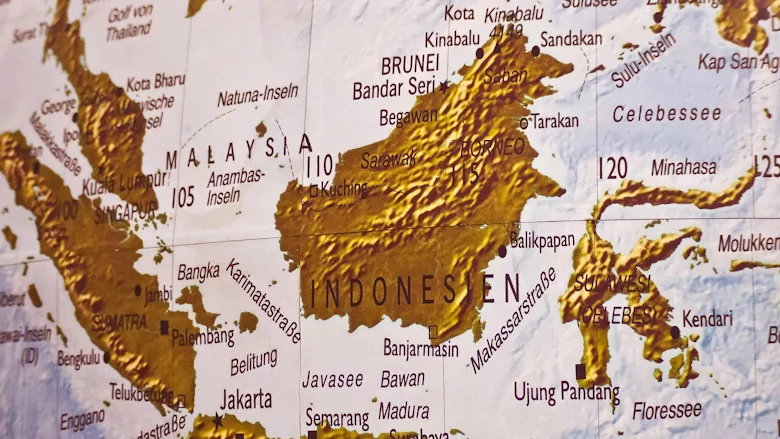
While US beef producers haven’t all been the biggest fans of President Trump’s ag trade policy decisions, meat industry trade associations welcomed the Trump Administration’s announcement of reciprocal trade deals with Cambodia and Malaysia.
The US announced finalized trade deals Oct. 26, 2025, with two Southeast Asian nations — Cambodia and Malaysia — and further progress with two others in the region, Thailand and Vietnam.
Under the US–Cambodia Agreement on Reciprocal Trade, Cambodia has committed to eliminating tariffs on 100% of US exports, including poultry and egg products, while also recognizing US sanitary and phytosanitary standards.
National Chicken Council said the Southeast Asian trade agreement will expand opportunities for US agricultural exports — including poultry — by reducing tariffs and removing long-standing non-tariff barriers.
“Knocking down trade barriers and opening new markets to free and fair trade are critical to the future success of American chicken exports, and we commend the administration for the expanded access in Cambodia and Malaysia,” NCC President Harrison Kircher said.
US Meat Export Federation President and CEO Dan Halstrom said the improved access to Southeast Asian markets will provide competing bids for beef cuts that are popular in Asia but not demanded by US consumers.
“Exports of short plate, chuck short rib, rib fingers, omasum and other such items are critical to maximizing the value of every animal and stimulating the US herd rebuild,” Halstrom said, while noting similar opportunities for exports of pork feet, stomachs, picnics, brisket bones and bone-in hams.
“US beef and pork hold only minor import shares in Thailand, Vietnam, Malaysia and Cambodia due to the combination of tariff and non-tariff barriers,” he said. “The growth potential is significant when these barriers are addressed through President Trump’s agreements.”
Meat Institute President and CEO Julie Anna Potts praised the trade deal for eliminating establishment and product registration requirements, while reinforcing internationally recognized science in determining market access.
“We are so grateful to US Trade Representative Ambassador Jamieson Greer and Assistant USTR for Agricultural Affairs Julie Callahan for their hard work to address both tariff and non-tariff barriers to trade that have been challenging meat and poultry exports for years,” Potts said.
“We are pleased that Cambodia and Malaysia agreed to our protections for common meat product names and as negotiations proceed with Thailand and Vietnam, we will continue to work with the Administration to ensure the final agreements include these provisions,” she said.
According to the National Pork Producers Council, the US-Malaysia trade agreement will:
- open access to all US facilities included in the Food Safety and Inspection Service Meat, Poultry and Egg Product Inspection Directory
- not impose additional product or facility registration requirements
- ensure acceptance of the standard FSIS export certificate.
Malaysia also has agreed to recognize the US protection zone for African Swine Fever within 15 months of signing the deal and complete a regionalization deal.
US pork producers count on exports, with more than 25% of US pork production going to export markets, according to NPPC.
Looking for a reprint of this article?
From high-res PDFs to custom plaques, order your copy today!
.webp?height=96&t=1647275041&width=96)