Finfish power November 2025 gains across fresh and frozen seafood
Frozen finfish post a far better performance than frozen shellfish.
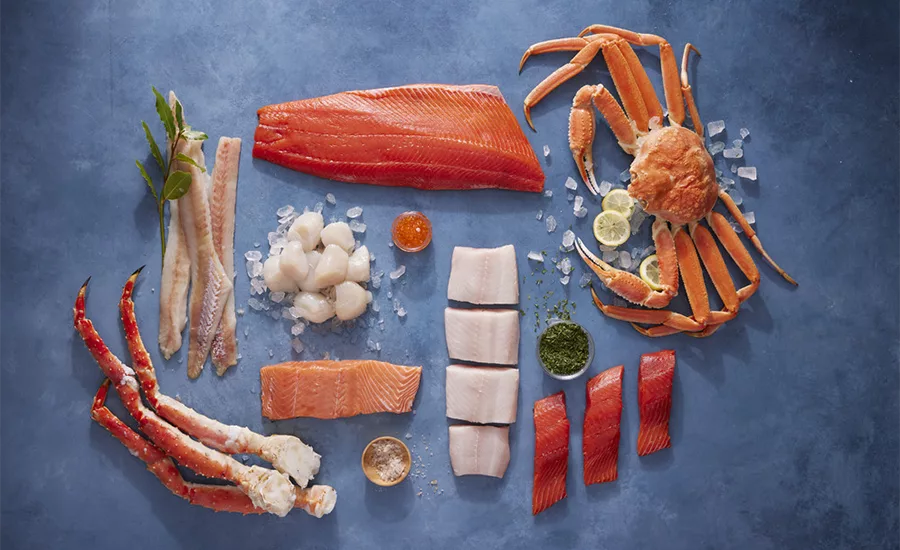
In November 2025, Circana MULO+ retail sales data research finds seafood prices rose across the board.
The average prices across all species rose about $10 during November, though is still less than the 52-week average of $10.52.
Out of the largest species on the refrigerated/fresh side, crab, shrimp and cod’s double-digit price increases were a large factor in the overall 4.1% increase for total seafood.
Among the top frozen species sales dominance combined with a 12.6% year-over-year increase in the price per pound were a large factor in the overall seafood inflation of 7.0%.
After a softer October, shelf-stable seafood rebounded sharply in November, aligning with strong performance in canned vegetables. Retailer-led foodbank support initiatives during the government shutdown likely contributed to elevated unit movement of canned seafood. While fresh seafood posted dollar gains and frozen remained flat, both largely driven by inflation as pound sales declined.
 Circana, Integrated Fresh, Total US, MULO+
Seafood cans and pouches generated $253 million in the four November 2025 weeks. All species experienced increases, including the biggest seller, tuna. Gains were highest for sardines, that have been trending all year.
splitting the seafood department into finfish and shellfish, two different patterns emerge. Finfish grew in dollars and pounds and has all year. Shellfish declined year-over-year in dollars and pounds and volume sales are now more than 10% below year-ago levels.
The very different growth trajectories between finfish and shellfish are clearly demonstrated by the line graphs below. Whereas finfish dollar and pound sales have been increasing since late 2024, shellfish sales have been trending in the negative since the start of 2024. Sales dipped in the third quarter of 2025, with November sales matching Q3 dollar sales and falling slightly below the third-quarter average volume growth.
Species-level data shows the dominance of salmon in the fresh/refrigerated seafood department. With $293 million in sales, salmon represented close to half of all seafood sales in November. Additionally, salmon generated substantial gains in dollars and pounds.
Shrimp sales moved ahead of crab, due to inflation and the decline in pounds (-8.8%) being more moderate than the 28.4% decrease in crab sales.
In addition to salmon gains, tilapia and trout also showed robust growth in November as well as the full year.
Frozen food sales patterns mirrored those of total food and beverages, with flat-to-down units and mild dollar gains. Meals under-performed as did seafood. November was the second month in which processed meat and poultry sales exceeded frozen seafood sales as the largest protein category.
Frozen finfish also had a far better performance than frozen shellfish, with gains in dollars and pounds. Frozen seafood alternative sales continued to decline year-over-year.
Looking for a reprint of this article?
From high-res PDFs to custom plaques, order your copy today!