Provisioner logo
Provisioner logo
search
cart
facebook twitter linkedin youtube
  • Sign In
  • Create Account
  • Sign Out
  • My Account
Provisioner logo
Provisioner logo
  • NEWS
    • Industry News
    • Supplier News
    • Case Studies
    • Recalls
    • Regulations
    • New Consumer Products
  • EXCLUSIVES
    • Newsletters
    • Source Book
    • Sponsored Insights
    • Events
    • Webinars
    • Classifieds
    • White Papers
    • Provisioner Store
    • Market Research
  • MEAT PROCESSING
    • SUSTAINABILITY
    • Processing
    • Packaging
    • Ingredients
    • Formulation
    • Food Safety
    • Special Reports
    • Commentary
  • PROFILES
    • Processor Profiles
    • Processor of the Year
    • Top 100 Processors
  • MEDIA
    • Videos
    • Podcasts
  • DIRECTORY
  • MIHOF
  • INDEPENDENT PROCESSOR
  • EMAG
    • eMagazine
    • ARCHIVE ISSUES
    • Contact
    • Advertise
  • JOIN!
Meat and Poultry Industry NewsSustainability

Burger King, Cargill and World Wildlife Fund work to mitigate effects of climate change with new grassland restoration project

By Industry News
The National Provisioner News Briefs
July 10, 2020

As global demand for protein increases, ranchers, agribusinesses, restaurants and conservation partners are coming together to feed a growing population, address climate change and protect the planet. Burger King restaurants and Cargill are teaming up with World Wildlife Fund (WWF) and ranchers within the Northern Great Plains to launch a three-year grasslands restoration program. This initiative brings together two major companies who deliver beef to Americans to support the rehabilitation of less productive soil into thriving ecosystems– with cattle playing a critical role.

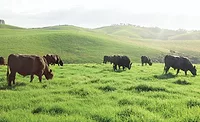
Through reseeding, the program aims to convert nearly 8,000 acres of marginal cropland throughout Montana and South Dakota to ecologically diverse grasslands with beef cattle as the primary grazers in the ecosystem to maintain it. If successful, the program is projected to save the carbon equivalent of driving nearly 70 million miles in an average passenger vehicle.

“We recognize the powerful opportunities we have to advance sustainability in food production together. Through our parent company’s Restaurant Brands for Good framework, we have showcased our commitment to implementing more sustainable business practices,” said, Matthew Banton, Global Head of Innovation and Sustainability for Burger King. “Via the Grasslands Restoration project, we are proactively engaging with our peers, experts and industry stakeholders to help advance beef sustainability and mitigate the effects of climate change.”

According the Food and Agriculture Organization of the United Nations, the North American beef supply chain is already more than 35% more efficient from a GHG perspective than the global average. The project builds on the strong leadership of farmers and ranchers in this region, by providing additional opportunities to expand their grazing land.

Climate benefits of reseeding grasslands and cattle grazing
The reseeding efforts will focus on large areas of marginal cropland in the Northern Great Plains - where the land is not productive for farming or other agricultural uses. Native grasses, with roots 10 to 15 feet deep in some cases, pull carbon from the atmosphere and store it underground to support one of the world’s most stable carbon sinks. The roots also secure the plants and topsoil from being blown or washed away and effectively pull water underground, supporting the resiliency of the grasslands during times of drought.

“Through this project, the producers recognize the potential to improve the ranches for future generations,” said Markus Erk, a rancher from South Dakota. “I’m thrilled to team up with partners who want to come along side us to help us enhance our conservations practices.”

When managed well, cattle grazing can help stimulate the growth of grasses and maintain a healthy ecosystem, similar to the role the region’s native bison used to play. Cattle’s hooves break through hard ground, allowing more water to be absorbed into the soil. The restored grassland can also provide a habitat to wildlife unique to the region.

Ranchers are some of the most important stewards of the grasslands of the Northern Great Plains. As managers of over 70% of the remaining intact grasslands within this region, they hold the key to its future,” said Martha Kauffman, Managing Director of WWF’s Northern Great Plains program. “Our collaboration with Cargill and Burger King will restore formerly plowed areas within these vital ecosystems back to grasslands through the seeding of native grasses. As these ecosystems rebuild under the management of our ranching partners, the environmental value and the health of our grasslands, including their ability to support wildlife, will continue to grow for years to come.”

The latest monitoring practices will be used to measure the progress of the project including changes in soil carbon and moisture, and the wildlife response to the. Carbon measurement tools will also be explored and tested to continuously evolve best practices.

Progress through partnerships
The project is part of Burger King’s and Cargill’s continued efforts to help make beef more sustainable. As one of Restaurant Brands International iconic brands, Burger King is working to advance commitments made through its sustainability framework, Restaurants Brands for Good. Launched last year, Cargill’s BeefUp Sustainability initiative which seeks to reduce GHG emissions throughout the company’s beef supply chain by 30 percent by 2030, measured on a per pound of beef basis against a 2017 baseline. Efforts by both companies support the U.N. Sustainable Development Goals.

Cattle ranchers will be at the forefront of this effort to develop a foundation for ecosystem restoration that encourages increased participation as the program grows. The collaboration also builds on WWF’s existing Sustainable Ranching Initiative, further expanding the opportunity for ranchers to implement sustainable cattle grazing practices after plants have had time to root.

“We are building on the strong environmental stewardship led by farmers and ranchers, and will partner with producers, customers and innovators to drive sustainability solutions,” said Heather Tansey, Sustainability lead for Cargill’s protein and animal health businesses. “At Cargill, we are in a unique position to drive connection across the entire North American beef supply chain. Together we can scale realistic solutions that address sustainability challenges.”

Learn more about the grassland restoration project here.

Source: Cargill

KEYWORDS: burger king Cargill

Share This Story

Looking for a reprint of this article?
From high-res PDFs to custom plaques, order your copy today!


Recommended Content

JOIN TODAY
to unlock your recommendations.

Already have an account? Sign In

  • Double Charburger

    Premiumization drives burger category

    Shoppers seek out premium meat offerings to fulfill...
    Ingredients
    By: Sammy Bredar
  • JJS Adult Pekin duck

    Poultry Report 2025: Convenience propels poultry at retail

    Despite continued economic pressures, the poultry...
    Turkey
    By: Sammy Bredar
You must login or register in order to post a comment.

Report Abusive Comment

Manage My Account
  • eMagazine Subscriptions
  • Manage My Preferences
  • Newsletters
  • Online Registration
  • Subscription Customer Service
  • Connect with The National Provisioner

More Videos

Sponsored Content

Sponsored Content is a special paid section where industry companies provide high quality, objective, non-commercial content around topics of interest to the The National Provisioner audience. All Sponsored Content is supplied by the advertising company and any opinions expressed in this article are those of the author and not necessarily reflect the views of The National Provisioner or its parent company, BNP Media. Interested in participating in our Sponsored Content section? Contact your local rep!

close
  • A smiling man carrying a grocery basket is reaching down to pick up a package of meat in a grocery store.
    Sponsored byPIC

    The Green Light: New Data Shows 12-to-1 Support for Pork from PRRS-Resistant Pigs

  • Close up of a grocery cart full of groceries, a cropped image of a couple pushing the cart and a blurred background of the vegetable aisle.
    Sponsored byPIC

    New Market Research Finds Consumers in Eight Key Pork Markets Are Likely to Purchase Pork from Gene-Edited Pigs

  • Close up of a young pig with a blurred background.
    Sponsored byPIC

    New Research Forecasts Significant Economic and Market Impacts with PRRS-Resistant Pig Adoption

Popular Stories

Spam Dog

Hormel rolls out Spam hot dog for foodservice applications

Various new Primal snack sticks on a table amongst pencils, apples, a pair of glasses, lunch bags and a water bottle.

Protein demand drives snacking occasions

Several cuts of beef, pork and chicken on a wooden board, cast iron pan and salt.

Validated thermal lethality data and a new tool for ensuring safety of RTE meats

2026 Top 100 Meat & Poultry Processors Report

Events

June 11, 2026

From Fresh to Frozen in 3 Minutes Flat: Unlocking the Secrets to Temperature Control

Join Tony Vacaro, Foods Industry Manager, and Emile Klein, Foods Market Strategy Manager at Air Products and Chemicals, Inc. , as they tackle key questions surrounding heat removal in food processing. 

January 1, 2030

Webinar Sponsorship Information

For webinar sponsorship information, visit www.bnpevents.com/webinars or email webinars@bnpmedia.com.

View All Submit An Event

Products

Food Crime: An Introduction to Deviance in the Food Industry

Food Crime: An Introduction to Deviance in the Food Industry

See More Products
From Fresh to Frozen in 3 Minutes Flat: Unlocking the Secrets to Temperature Control Webinar Sponsored by Air Products

Related Articles

  • The National Provisioner News Briefs

    World Wildlife Fund joins the Walmart Foundation, Cargill, McDonald’s to launch million-acre grazing initiative

    See More
  • cows eating grass

    Soil disturbance lessens resilience of rangelands to climate change

    See More
  • Climate change program reports on effects on agriculture

    See More

Related Products

See More Products
  • GlobalData_logo_blue_header.png

    Frozen Meat (Meat) Market in the United States of America - Outlook to 2023...

  • GlobalData_logo_blue_header.png

    Cooked Meats - Packaged (Meat) Market in the United States of America - Outlook to 2023

  • GlobalData_logo_blue_header.png

    Chilled Raw Packaged Meat - Processed (Meat) Market in the United States of America - Outlook to 2023...

See More Products

Events

View AllSubmit An Event
  • July 15, 2011

    Cargill Wichita meat innovation center set for July 15 debut

    A $14.7m innovation center claimed by owner Cargill be"one of the world"most advanced food R&D facilities" will open next Friday (July 15) in Wichita, Kansas.
View AllSubmit An Event
×

Stay ahead of the curve. Unlock a dose of cutting-edge insights.

Receive our premium content directly to your inbox.

SIGN-UP TODAY
  • RESOURCES
    • Advertise
    • Contact Us
    • Directories
    • Store
    • Want More
  • SIGN UP TODAY
    • Create Account
    • eMagazine
    • Newsletter
    • Customer Service
    • Manage Preferences
  • SERVICES
    • Marketing Services
    • Reprints
    • Market Research
    • List Rental
    • Survey/Respondent Access
  • STAY CONNECTED
    • LinkedIn
    • Facebook
    • YouTube
    • X (Twitter)
  • PRIVACY
    • PRIVACY POLICY
    • TERMS & CONDITIONS
    • DO NOT SELL MY PERSONAL INFORMATION
    • PRIVACY REQUEST
    • ACCESSIBILITY

Copyright ©2026. All Rights Reserved BNP Media, Inc. and BNP Media II, LLC.

Design, CMS, Hosting & Web Development :: ePublishing