Figure Ate Foods examines meat and protein trends influencing innovation
To explore the top trends influencing meat and protein product innovation, The National Provisioner speaks with Figure Ate Foods, a food brand focused on regenerative agriculture.

Figure Ate Beef Biltong
Protein has been the buzz word of 2025. As we look to 2026, nutrition remains top of mind for many consumers, and meat and protein producers are keeping an eye on how to best leverage this consumer trend in their own operations.
According to the 2025 Power of Meat, more than 7 in 10 consumers believe meat and poultry are nutrient powerhouses and an overall health choice. Since consumers already widely recognize the myriad nutritional benefits of meat and poultry products, the category is in a prime position for growth and innovation.
To explore more top trends influencing meat and protein product innovation, The National Provisioner spoke with Figure Ate Foods, a food brand focused on regenerative agriculture.
What flavor or product trends are you seeing in the meat and protein space that really capture consumers’ attention right now?
Figure Ate Foods: In the meat and protein space, we’re seeing strong consumer interest in portability and nutrition — products that are easy to travel with, satisfy hunger, and provide real nourishment without compromise. Snackable proteins that can replace a meal on the go are leading the way. Shoppers are also paying close attention to clean, recognizable ingredients. They want short, transparent ingredient lists that read like real food, not formulations. While still emerging for the broader market, regenerative agriculture is gaining traction with a growing niche of well-informed consumers who are looking for foods that go beyond organic — products that support soil health, biodiversity, and ecosystem resilience. From a flavor standpoint, tried-and-true savory profiles continue to dominate. There’s plenty of experimentation with new or global flavor notes, but nothing has displaced the enduring appeal of meat-forward, simple, satisfying flavors that celebrate the protein itself.
Can you share one of your recent products or flavors that was inspired by one of these trends? What about it resonated with consumers?
Figure Ate Foods: Our launch of Figure Ate Beef Biltong was directly inspired by these trends — especially the desire for nutritious, shelf-stable protein with a clean ingredient list. From the start, our goal wasn’t just to create another meat snack, but to bring regeneratively raised beef to the marketplace and support the ranchers doing this essential work on the ground.
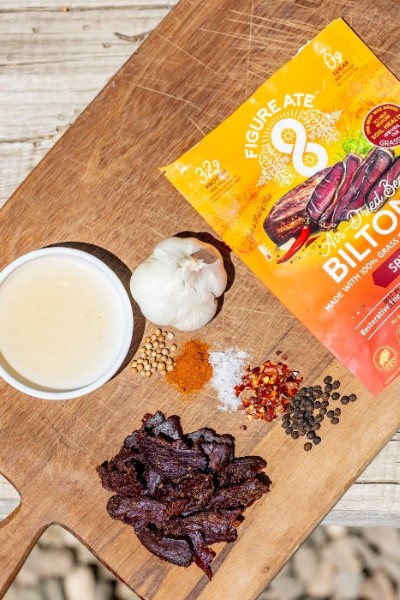 Figure Ate Spiced Beef Biltong. Photo courtesy of Figure Ate Foods
When we were introduced to traditional South African biltong recipes through personal friends, we immediately recognized the fit. The process relies simply on vinegar, salt and spices to preserve the meat — no added sugar, no artificial preservatives — to create a tender, savory, and deeply flavorful product. Consumers have responded strongly to that simplicity and authenticity. It’s real food, made with integrity, that they can feel good about eating anywhere.
When developing a new product, how do you balance flavor innovation, nutritional value and sustainable sourcing?
Figure Ate Foods: When developing new products, we start with sourcing — but we don’t see “sustainable” as the finish line. “Sustainability” often implies maintaining balance between what a product takes and what it gives back, but our goal is to move toward regenerative systems that actively contribute to the health of soil, water, biodiversity and people.
This is an ongoing process — true impact depends on many factors, from the ecosystem where animals are raised to the global food system that delivers packaged products across the country. Still, every decision we make is guided by the question: How can this product help restore, not just sustain, the system it depends on?
Since Figure Ate is part of the nonprofit White Buffalo Land Trust, a foundation uniquely focused on expanding regenerative agriculture, we approach product development through the lens of impact. That’s why sourcing is always our first priority.
Our mission is to connect regenerative producers to the marketplace and to engage consumers in the story of regeneration as a pathway toward healthier ecosystems and communities. All of the proceeds goes toward nonprofit work, funding land stewardship, research and education at our 1,000-acre Center for Regenerative Agriculture at Jalama Canyon Ranch and beyond.
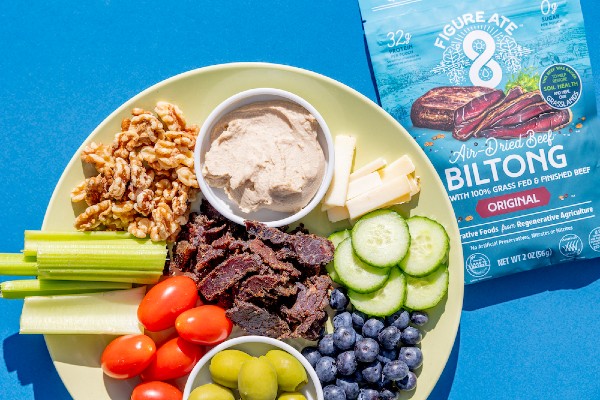 Figure Ate Original Beef Biltong Charcuterie Board. Photo courtesy of Figure Ate Foods
Once sourcing is in place, we focus on flavor and nutrition. The product has to be delicious, nourishing and made with integrity — those are non-negotiables. In the end, we see sourcing, flavor and nutrition not as competing priorities, but as interdependent parts of a food system we’re continually working to improve.
Based on what you’re seeing, what practical advice would you give other producers or processors looking to respond to these trends in their own product lines?
Figure Ate Foods: For producers looking to respond to today’s trends — clean ingredients, on-the-go nutrition, and transparent sourcing — my advice is to start with authenticity and measurable impact. Customers are getting more discerning, and the strongest brands are those that can back up their claims with real data and on-the-ground outcomes.
In the world of regeneratively sourced products, there are several emerging certifications and verifications working to establish customer recognition and justify premium pricing. It’s still a developing landscape, so now is the time for brands to set strong internal standards and engage with multiple credible frameworks rather than waiting for a single seal to dominate. That approach builds both flexibility and trust.
For producers and ranchers, I’d emphasize the importance of monitoring ecological health across your land base. Tracking a suite of ecological indicators — measures that reflect the health and function of soil, water, and biodiversity — provides invaluable insights for stewardship decisions and creates transparency that resonates with customers.
At White Buffalo Land Trust, we’ve been testing various monitoring protocols across certifications and verifications to help producers adopt cost-effective, meaningful tracking tools. Investing in your land’s long-term health is the foundation for a resilient and differentiated brand.
Are there specific flavors, ingredients or product concepts you’re exploring now that you think could define the next wave of consumer interest in meat and protein?
Figure Ate Foods: We’re seeing continued momentum among consumers who want clean, responsibly sourced proteins — people who read labels, care about where their food comes from and are willing to pay a little more for products they can trust. That mindset is shaping what we explore next.
We’ve looked at extending our line into formats like meat sticks, which offer even greater portability for on-the-go eating while staying true to our commitment to simple, recognizable ingredients. We’re also exploring new flavor profiles, but we’ve found that original, meat-forward flavors consistently resonate most with customers who value authenticity and quality. As a brand rooted in regenerative sourcing, our focus will always be on integrity over novelty — creating products that nourish people, support the land and tell a transparent story about where and how they’re made.
Looking for a reprint of this article?
From high-res PDFs to custom plaques, order your copy today!