Provisioner logo
Provisioner logo
search
cart
facebook twitter linkedin youtube
  • Sign In
  • Create Account
  • Sign Out
  • My Account
Provisioner logo
Provisioner logo
  • NEWS
    • Industry News
    • Supplier News
    • Case Studies
    • Recalls
    • Regulations
    • New Consumer Products
  • EXCLUSIVES
    • Newsletters
    • Source Book
    • Sponsored Insights
    • Events
    • Webinars
    • Classifieds
    • White Papers
    • Provisioner Store
    • Market Research
  • MEAT PROCESSING
    • SUSTAINABILITY
    • Processing
    • Packaging
    • Ingredients
    • Formulation
    • Food Safety
    • Special Reports
    • Commentary
  • PROFILES
    • Processor Profiles
    • Processor of the Year
    • Top 100 Processors
  • MEDIA
    • Videos
    • Podcasts
  • DIRECTORY
  • MIHOF
  • INDEPENDENT PROCESSOR
  • EMAG
    • eMagazine
    • ARCHIVE ISSUES
    • Contact
    • Advertise
  • JOIN!
IngredientsSausageDeli

Meat Science Review

Increased unsaturated fat can affect pork sausage and bologna quality
By Anna Dilger, Univ. of Illinois, Arica Baer, Oscar Mayer
February 27, 2014

Approximately 20% of pork in the U.S. is consumed as sausage products. Fat is a main ingredient of sausages but can be quite variable in quality. The quality and consistency of fat contributes to the processing, textural and sensory characteristics of the final product.

Generally, unsaturated, soft pork fat is considered to be poor quality, due to issues with shelf-life and processing. Increased unsaturation in fat can occur from changes in feed ingredients and inclusion of alternate fat sources during product formulation. Therefore, we were interested in determining the effect of increased unsaturation in fat on the quality and shelf-life of fresh pork sausages.

Unsaturated fatty acids were increased in pork fat used to manufacture fresh sausage and bologna by feeding cull sows 60% dried distillers’ grains with solubles (DDGS), a feed ingredient with high levels of unsaturated fatty acids. Fat from sows fed no DDGS was used for comparison.

We expected that fresh sausage and bologna with increased unsaturated fatty acids would have poorer sensory and processing characteristics, and shortened shelf-life. Fresh sausage patties (25% fat) were manufactured, formed and stored frozen for up to 12 weeks. Bologna was also manufactured with a 70:30 lean:fat ratio.

Iodine value was increased in sausages made with fat from DDGS-fed sows, indicating that these sausages contained a greater proportion of unsaturated fat. These sausages also exhibited increased fat smearing and reduced fat particle size upon visual evaluation. The unsaturated sausages had less moisture loss during cooking, but juiciness, texture and off-flavor as judged by a sensory panel were unaffected. Hardness was reduced in unsaturated sausages. Lipid oxidation was also increased at 3 and 6 weeks of frozen storage in sausages from DDGS-fed sows, suggesting these sausages may have a slightly shorter shelf-life than sausages with more saturated fat.

In bologna, iodine value was also increased by using fat from DDGS-fed sows. Cooked yield after processing in the smokehouse was reduced from 96% to 94.3% in the more unsaturated bologna. Mouthfeel, mouth coating and texture as rated by a sensory panel, however, were unaffected by fat source, though the force required to shear bologna slices was increased marginally (0.65 to 0.84 kg) in more unsaturated bologna.

Overall, despite an increase in unsaturation in fresh sausage and bologna, changes in sensory and lipid oxidation were minimal. The reduction in processing yield in more unsaturated bologna, however, warrants further investigation, as does the increased fat smearing in fresh sausages.

 In light of changes in swine diets that increase the unsaturation of pork fat, along with consumers’ desires for reduced saturated fat in meat products, understanding the impact of increased unsaturation on pork sausage quality will require future research. 

KEYWORDS: pork processing meat sausage shelf-life

Share This Story

Looking for a reprint of this article?
From high-res PDFs to custom plaques, order your copy today!
Dr. Anna Dilger is an assistant professor of Muscle Biology and Meat Science in the Department of Animal Sciences at University of Illinois. For more information, contact Dr. Dilger at (217) 333-3986

Arica Baer is an associate scientist II for Oscar Mayer Research & Development - Bacon and Hot Dog Brand Value. For more information, contact adilger2@illinois.edu

Recommended Content

JOIN TODAY
to unlock your recommendations.

Already have an account? Sign In

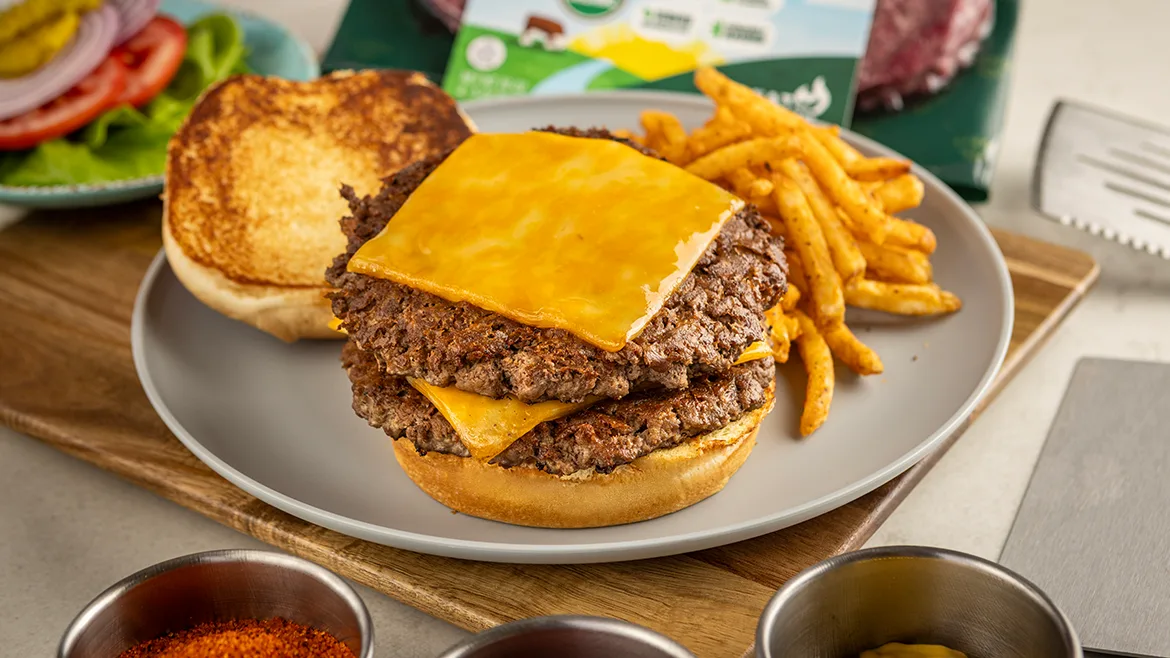
  • Double Charburger

    Premiumization drives burger category

    Shoppers seek out premium meat offerings to fulfill...
    Special Reports
    By: Sammy Bredar
  • JJS Adult Pekin duck

    Poultry Report 2025: Convenience propels poultry at retail

    Despite continued economic pressures, the poultry...
    Turkey
    By: Sammy Bredar
You must login or register in order to post a comment.

Report Abusive Comment

Manage My Account
  • eMagazine Subscriptions
  • Manage My Preferences
  • Newsletters
  • Online Registration
  • Subscription Customer Service
  • Connect with The National Provisioner

More Videos

Sponsored Content

Sponsored Content is a special paid section where industry companies provide high quality, objective, non-commercial content around topics of interest to the The National Provisioner audience. All Sponsored Content is supplied by the advertising company and any opinions expressed in this article are those of the author and not necessarily reflect the views of The National Provisioner or its parent company, BNP Media. Interested in participating in our Sponsored Content section? Contact your local rep!

close
  • A smiling man carrying a grocery basket is reaching down to pick up a package of meat in a grocery store.
    Sponsored byPIC

    The Green Light: New Data Shows 12-to-1 Support for Pork from PRRS-Resistant Pigs

  • Close up of a grocery cart full of groceries, a cropped image of a couple pushing the cart and a blurred background of the vegetable aisle.
    Sponsored byPIC

    New Market Research Finds Consumers in Eight Key Pork Markets Are Likely to Purchase Pork from Gene-Edited Pigs

  • Close up of a young pig with a blurred background.
    Sponsored byPIC

    New Research Forecasts Significant Economic and Market Impacts with PRRS-Resistant Pig Adoption

Popular Stories

JBS USA logo

JBS USA closing pair of processing facilities

Various new Primal snack sticks on a table amongst pencils, apples, a pair of glasses, lunch bags and a water bottle.

Protein demand drives snacking occasions

Several cuts of beef, pork and chicken on a wooden board, cast iron pan and salt.

Validated thermal lethality data and a new tool for ensuring safety of RTE meats

2026 Top 100 Meat & Poultry Processors Report

Events

January 1, 2030

Webinar Sponsorship Information

For webinar sponsorship information, visit www.bnpevents.com/webinars or email webinars@bnpmedia.com.

View All Submit An Event

Products

Food Crime: An Introduction to Deviance in the Food Industry

Food Crime: An Introduction to Deviance in the Food Industry

See More Products
From Fresh to Frozen in 3 Minutes Flat: Unlocking the Secrets to Temperature Control Webinar Sponsored by Air Products

Related Articles

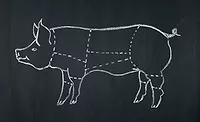
  • Chalk Drawing of Pig with Separation Lines

    Can Asian-inspired fab specs create revenue for U.S. pork?

    See More
  • Fresh Pork Sausage A Traditional Favorite

    See More
  • USDA logo

    Bob Evans Farms Foods, Inc., recalls Italian pork sausage products

    See More

Related Products

See More Products
  • Handbook of Meat, Poultry and Seafood Quality, second edition

  • meat quality.jpg

    Meat Quality: Genetic and Environmental Factors

  • seafood.jpg

    Seafood Safety and Quality

See More Products

Events

View AllSubmit An Event
  • September 22, 2021

    VACUUM SKIN PACKAGING: Increased Shelf Appeal and Shelf Life Leads to Reduced Food Waste

    On Demand This webinar explains the seamless step-by-step journey — from resin via extrusion, crosslinking and converting/slitting to final packaging — to produce high-quality VSP Films and Packaging.
View AllSubmit An Event

Related Directories

  • National Pork Board

    The U.S. pork industry has had a 100 percent legislative checkoff program since 1986. Congress created the Pork Checkoff as part of The Pork Promotion, Research and Consumer Information Act of 1985. Pork producers had requested the legislation so they could take advantage of having all producers and importers participate in a checkoff program designed to strengthen the position of pork in the marketplace.
×

Stay ahead of the curve. Unlock a dose of cutting-edge insights.

Receive our premium content directly to your inbox.

SIGN-UP TODAY
  • RESOURCES
    • Advertise
    • Contact Us
    • Directories
    • Store
    • Want More
  • SIGN UP TODAY
    • Create Account
    • eMagazine
    • Newsletter
    • Customer Service
    • Manage Preferences
  • SERVICES
    • Marketing Services
    • Reprints
    • Market Research
    • List Rental
    • Survey/Respondent Access
  • STAY CONNECTED
    • LinkedIn
    • Facebook
    • YouTube
    • X (Twitter)
  • PRIVACY
    • PRIVACY POLICY
    • TERMS & CONDITIONS
    • DO NOT SELL MY PERSONAL INFORMATION
    • PRIVACY REQUEST
    • ACCESSIBILITY

Copyright ©2026. All Rights Reserved BNP Media, Inc. and BNP Media II, LLC.

Design, CMS, Hosting & Web Development :: ePublishing